China · Medical coordination

Decide on evidence, not on distance.

Precision oncology, medical tourism and traditional Chinese medicine wellness at accredited hospitals across China — coordinated end to end, with everything handled in English.

Evidence · Access · Follow-through

Start an enquiry

No cost for an initial case review. ·We reply to enquiries within one business day.

Partner hospitals
40+
Precision tumour wards
7
Products and services
17
Technology platforms
4

Accredited hospitals and clinical partners

Shenzhen People's HospitalPeking University Shenzhen HospitalShenzhen Hospital of Southern Medical UniversityShenzhen Guangming District People’s HospitalHunan Aerospace HospitalNingbo Medical Center Lihuili HospitalShenzhen Hezheng Hospital

Our network spans Grade 3A general hospitals and cancer-specialty centres across seven regions of China.

What we do

Three service lines, one point of contact

Whether you are choosing a cancer regimen, planning a medical trip, or looking for conditioning support, the coordination works the same way.

Hands in nitrile gloves handling a multi-well microplate on a laboratory bench
01

Precision Medicine

Treatment decisions grounded in the patient’s own tumour.

Ex-vivo tumour models and functional drug sensitivity testing, combined with genomic profiling and multidisciplinary review, used to narrow down which regimens are likely to work for an individual patient.

What is included

  • Patient-derived tumour models: PDC, PDO, PDX and humanised immune models
  • Functional drug sensitivity testing rather than genomic prediction alone
  • MDT review that re-reads pathology slides and imaging together
  • Case banking for patients whose tumour evolves over time

Who it is forPatients with a confirmed diagnosis who have progressed on, or are deciding between, systemic regimens.


Bright hospital lounge with timber slats, glass partitions and garden views
02

Medical Tourism

Treatment in China, with the journey arranged around it.

Coordination for common medical-tourism categories — screening, TCM wellness, dental, aesthetics and more — from record review and hospital matching to visas, interpretation and follow-up after you return.

What is included

  • Six common categories, from screening to orthopaedics
  • Record review and hospital matching before you commit
  • Visa, accommodation and hospital appointments coordinated together
  • English case management and on-site interpretation throughout
  • Records prepared in English for your own doctor after you return

Who it is forPatients considering treatment abroad, and families who want appointments, travel and interpretation handled by one team.

Dried Chinese herbs in bowls beside glass cupping jars
03

TCM Wellness

Constitutional assessment and seasonal conditioning, the traditional way.

Traditional Chinese medicine programmes focused on wellness and conditioning: constitutional assessment, acupuncture and tuina, herbal formulas and seasonal dietary guidance. Delivered alongside — never instead of — your existing medical care.

What is included

  • TCM constitutional assessment with a written interpretation
  • Acupuncture, tuina and moxibustion courses
  • Herbal formulations dispensed and labelled for travel
  • Seasonal conditioning and dietary guidance
  • Coordinated with your existing treatment plan, never replacing it

Who it is forAdults looking for conditioning, stress and sleep support, or post-treatment recovery support.

Clinician performing an ultrasound examination

Featured

Functional drug sensitivity testing, before the next regimen is chosen

Patient-derived tumour models are exposed to candidate drugs in the laboratory, then read alongside genomic profiling and a multidisciplinary review. The output is a narrower list of regimens for your own clinician to consider — not a promise of response.

  • PDC / PDO / PDX and humanised immune models
  • Functional testing, not genomic prediction alone
  • MDT review of pathology and imaging together

Why China

Why patients travel to China for care

The reasons are practical rather than promotional — and they apply differently depending on your diagnosis and where you live.

Treatment cost

For many systemic therapies and surgical procedures, the delivered cost in China is materially lower than in North America or Western Europe. We give you an itemised estimate before you commit to anything.

Read the patient guides

Access and capacity

Large Grade 3A hospitals run high case volumes, which means experienced multidisciplinary teams and shorter waits for imaging, surgery and radiotherapy slots.

Browse partner hospitals

Speed to a decision

Where local pathways involve long referral queues, a coordinated pathway can compress the time from first contact to a treatment plan into weeks rather than months.

How precision medicine works

End-to-end coordination

A single case manager handles appointments, interpretation, medical records translation, travel logistics and follow-up, so you are not navigating the system alone.

What records to prepare

Technology platforms

Four platforms behind the screening results

Each platform answers a different question about how your tumour responds to a given drug.

High-throughput microplate with highlighted wells
In vitro

SZC mini Tumour Model

High throughput, fast model build-out and low cost per assay.

High throughputFast model build-outLow cost per assay
Applicable to
Chemotherapy and targeted agents
Code
P01 · S01
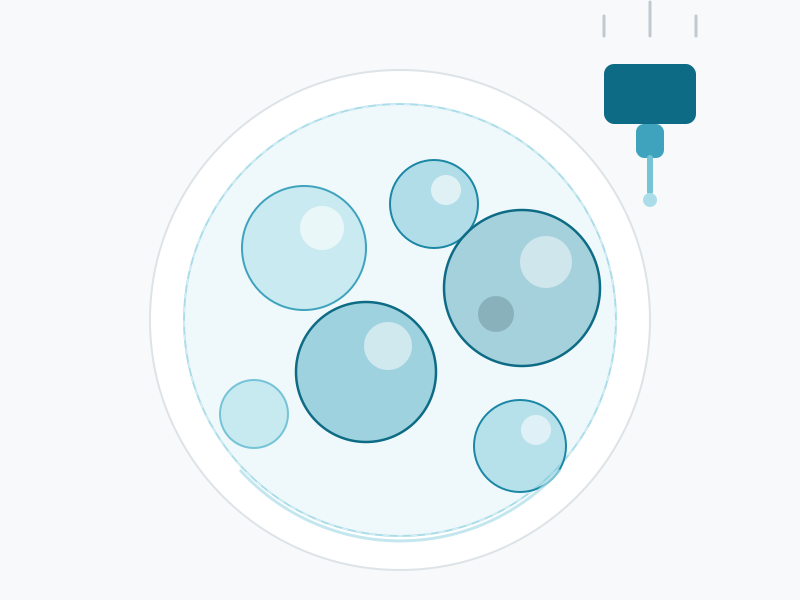
Tumour organoids in a culture dish, bioprinting nozzle above
In vitro

3D-Bioprinted Tumour Organoid (PDO)

Fast build-out, suitable for all solid tumour types.

Fast build-out3D bioprinted
Applicable to
Chemotherapy and targeted agents
Code
P02 · S02
Clean-room corridor of an animal facility with ventilated racking
In vivo

3D-Bioprinted PDX Mouse Model

In-vivo validation platform with fast build-out.

Fast build-outIn-vivo validation
Applicable to
Chemotherapy, targeted agents and immunosuppressants
Code
S03
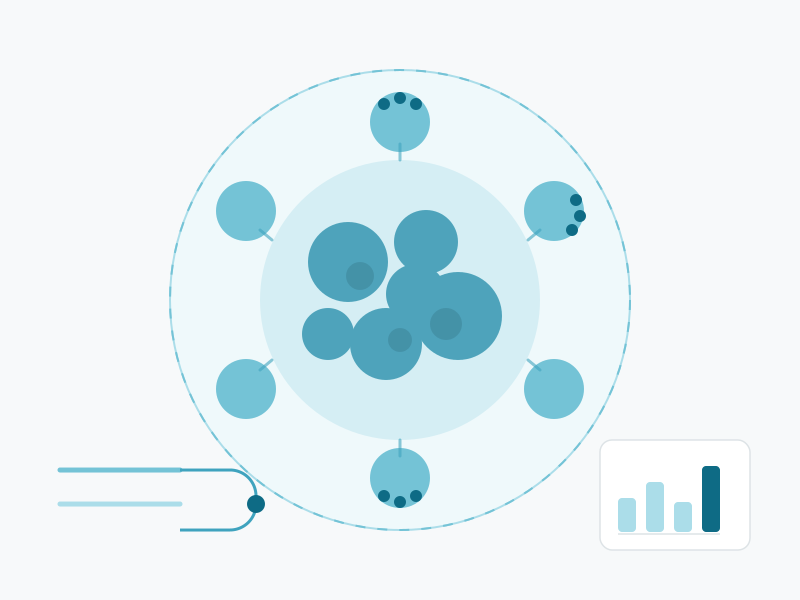
Immune cells surrounding a tumour cell cluster
In vivo

Humanised Immune PDX Mouse Model

Designed for immunotherapy and immune cell therapy evaluation.

Built for immunotherapy evaluation
Applicable to
Immunosuppressants and immune cell therapies
Code
S04 · S05

By the numbers

What the network looks like today

Figures reflect our current partner network and product portfolio.

Seven precision tumour wards are already opened and operating under joint ward agreements.

40+
Partner hospitals

Grade 3A general and cancer-specialty centres

7
Precision tumour wards

Opened and operating under joint ward agreements

17
Products and services

Kits, screening panels, cell therapy and sample banking

4
Technology platforms

In vitro and in vivo tumour model platforms

Treatment areas

Specialties across the network

Forty Grade 3A hospitals and cancer-specialty centres. Choose a specialty to see which partner hospitals list it.

Partner hospitals

The hospitals we work with.

Grade 3A general hospitals and cancer-specialty centres across seven regions of China, including the sites operating our joint precision tumour wards.

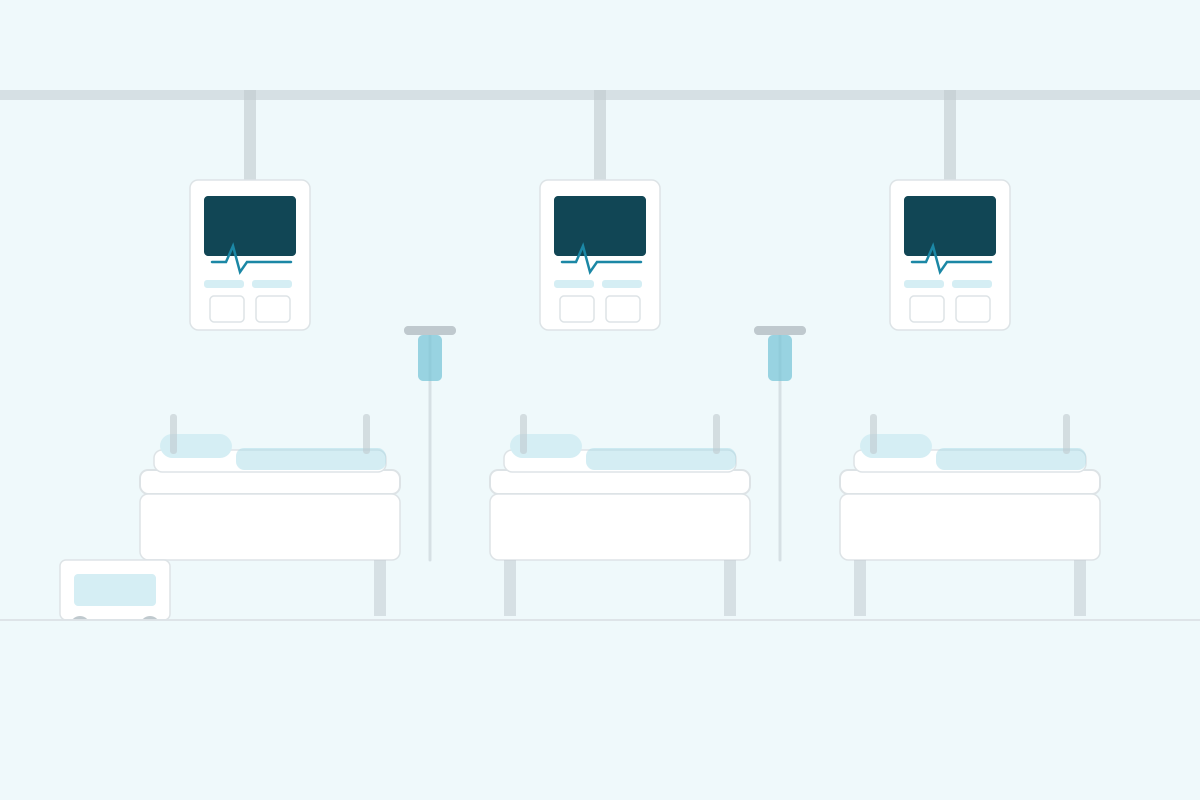
Intensive care ward with monitored beds and ceiling booms
Grade 3A (highest tier)Precision ward

Shenzhen People's Hospital

Shenzhen · Guangdong | Founded 1946

Medical Oncology is a municipal key discipline; the hospital operates a dedicated oncology laboratory and the largest radiotherapy centre in the city.

  • TOMO helical tomotherapy
  • EDGE radiosurgery system
  • da Vinci surgical system
Hospital atrium with a skylight and multi-level walkways
Grade 3A (highest tier)

Huashan Hospital, Fudan University

Shanghai · Shanghai | Founded 1907

  • National Center for Neurological Disorders
  • Multilingual outpatient service
  • International insurance direct billing
Hospital ward corridor in perspective
Grade 3A (highest tier)Precision ward

Hunan Aerospace Hospital

Changsha · Hunan | Founded 1970

Oncology is a hospital-level key developing discipline; the hospital holds GCP accreditation covering oncology.

  • Elekta digital linear accelerator
  • 3D-printed template-guided radioactive seed implantation
  • Microwave and argon-helium ablation
Genomic sequencing laboratory with a clean bench
Grade 3A (highest tier)

Yunnan Cancer Hospital

Kunming · Yunnan | Founded 1984

A national regional medical centre for oncology with academician workstations supporting thoracic, gastrointestinal and breast oncology programmes.

  • da Vinci surgical system
  • PET-MR
  • Intraoperative radiotherapy and CyberKnife

Clinical case

A case from our partner network

De-identified case summaries, published with documented patient consent.

Precision drug selection in small-cell lung cancer with hepatic metastasis

Tumour type
Small-cell lung cancer (right lung)
Stage
Stage IVB / right hilar mass with hepatic metastasis
Patient
Female, 51 years old

Location · Shenzhen People's Hospital

Clinical challenge

Stage IVB disease at diagnosis, with a right hilar mass and hepatic metastasis, where the response to an empirical chemotherapy regimen is difficult to predict.

Method

Ex-vivo anti-tumour drug sensitivity testing compared etoposide plus cisplatin, albumin-bound paclitaxel combinations, pemetrexed plus carboplatin and gemcitabine plus cisplatin. Etoposide plus cisplatin was selected and given together with durvalumab.

Outcome

After five cycles, imaging review showed no clearly delineated primary lesion at the right hilum and no clearly delineated hepatic metastases; CA125 fell from 245.6 to 7.8 and remained within the normal range. Outcomes vary between individuals.

In plain terms: lesions that had been visible in the lung and liver could no longer be clearly seen on imaging, and the relevant marker returned to normal — the regimen selected on her own tumour tissue worked for her.

This is a single case summary, de-identified and shared with the patient’s consent. Individual outcomes vary and this does not constitute a promise of treatment results. Any decision on treatment should be made with your own treating physician.

Case reference · small-cell-lung-cancer-precision-drug-selection

Outside perspective

China, as others describe it

Independent videos published on YouTube. We link to them as they are, without editing them. They are not a substitute for medical advice.

Why cancer patients are flying to China for treatment

BBC World Service · Asia Specific·19:22·Plays on this page

Why some patients look at China for cancer treatment

Barrett · 7:40

Dental treatment in China: a first-hand account

Jonny Asia · 27:45

Third-party videos hosted on YouTube. Individual experiences; outcomes vary and are not a guarantee of results. This is not medical advice.

How it works

From first message to follow-up

Five steps. You can stop at any point, and nothing is billed until you approve a plan in writing.

  1. 01Same day

    Send your case

    Share your diagnosis, current stage, treatment history and any reports you already have. Send them in your own language — we handle translation.

  2. 021–3 business days

    Written case review

    A coordinator reviews your records with our clinical team and replies in writing: which partner hospitals are relevant, what is realistically achievable, and what is not.

  3. 032–5 business days

    Plan and itemised estimate

    You receive a proposed pathway, a schedule and an itemised cost estimate. Nothing is booked until you approve it in writing.

  4. 04As scheduled

    Arrival and treatment

    We meet you on arrival, accompany you to appointments, interpret throughout, and keep your family updated. A single case manager stays with your case end to end.

  5. 05Ongoing

    Follow-up after you return home

    We translate the discharge summary and imaging reports for your own physician, and remain reachable for questions about the plan you were given in China.

Questions

Frequently asked questions

If your question is not here, ask us directly — we answer within one business day.

Send us your diagnosis and existing reports through the contact form or WhatsApp. The initial case review is free and carries no obligation. You only reach a cost discussion if we agree there is a realistic pathway for your situation.

No. Send everything in its original language. We translate records into Chinese for the clinical teams. If you later need certified translations for travel or visa purposes, that is arranged separately and we will tell you when it applies.

It depends on your tumour type, stage, what has already been tried, and which technical capability the case actually needs. We match on clinical fit first — proximity to a city you want to visit is considered only after that.

You receive an itemised estimate before anything is booked, based on current hospital pricing. Estimates can change if the treatment plan changes or complications arise; the hospital confirms any revision in writing before proceeding. We do not add a hidden margin to hospital fees.

Yes, and we recommend it. We help arrange accommodation for companions, and interpretation can cover family discussions where the patient consents to it.

English and Chinese are supported directly. For other languages, we arrange professional medical interpretation — tell us your language when you first make contact so we can confirm availability before you commit to travel.

We will say so, in writing, and explain why. Where we know of alternatives — another institution or a different approach — we will point you toward them. We would rather decline a case than take on one we cannot progress.

Patient guides

Learn before you decide

Practical, plain-language guides on therapies, processes and cost structure for international patients considering treatment in China.

Patient guide9 min read

CAR-T Therapy in China: A Practical Guide for International Patients

How CAR-T cell therapy works, how China regulates and delivers it, what the treatment journey looks like for patients travelling from abroad, and how a coordination team supports each step.

Read the guide
Patient guide11 min read

China Medical Visa: Types, Documents and How to Apply

A practical guide to the visa you need for medical treatment in China — which visa category applies, what the hospital invitation letter must contain, the documents, and a realistic timeline.

Read the guide
Patient guide16 min read

What Treatment in China Costs: Public, VIP, International and Private Hospitals

Indicative price bands for consultations, beds, imaging and treatment at Chinese public hospitals, their VIP and international departments, and private hospitals — and why your own bill will be different.

Read the guide
Patient guide10 min read

Medical Records for Treatment in China: How to Prepare

A practical guide to preparing, translating and securely sending your medical records for a hospital consultation or treatment in China — what to gather, and why it matters.

Read the guide
Patient guide12 min read

PET-CT Scan in China: What It Shows and How to Arrange It

A patient's guide to PET-CT and advanced imaging in China — what a scan can and cannot show, who it is for, how to prepare, radiation, and how to arrange one.

Read the guide
Patient guide5 min read

Treating in China: A Practical Guide for International Patients — the Book

A 62-chapter field manual to the Chinese medical system — deciding, arriving, navigating, paying and leaving. Written for international patients and their families, and published on Amazon.

Read the guide